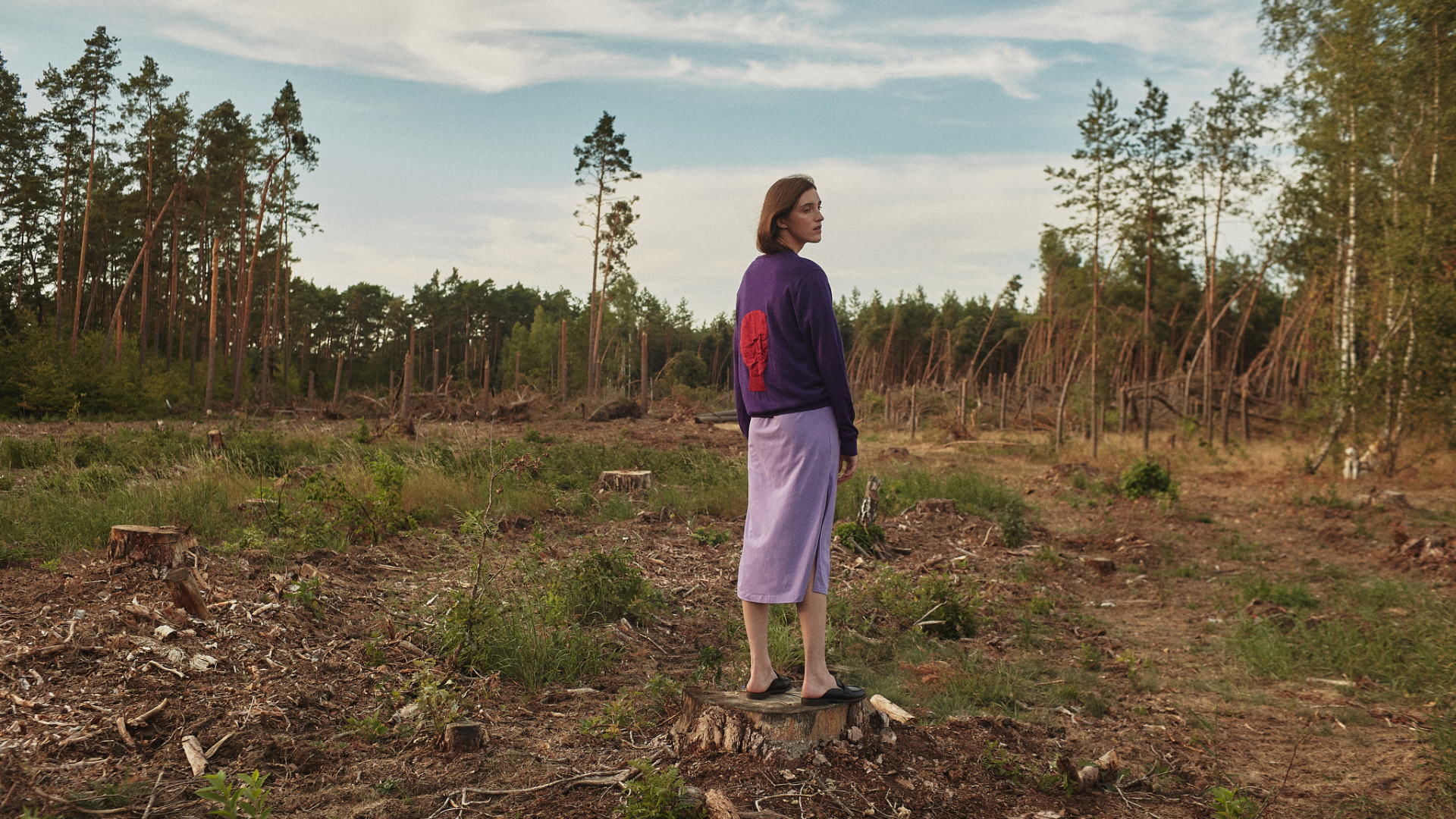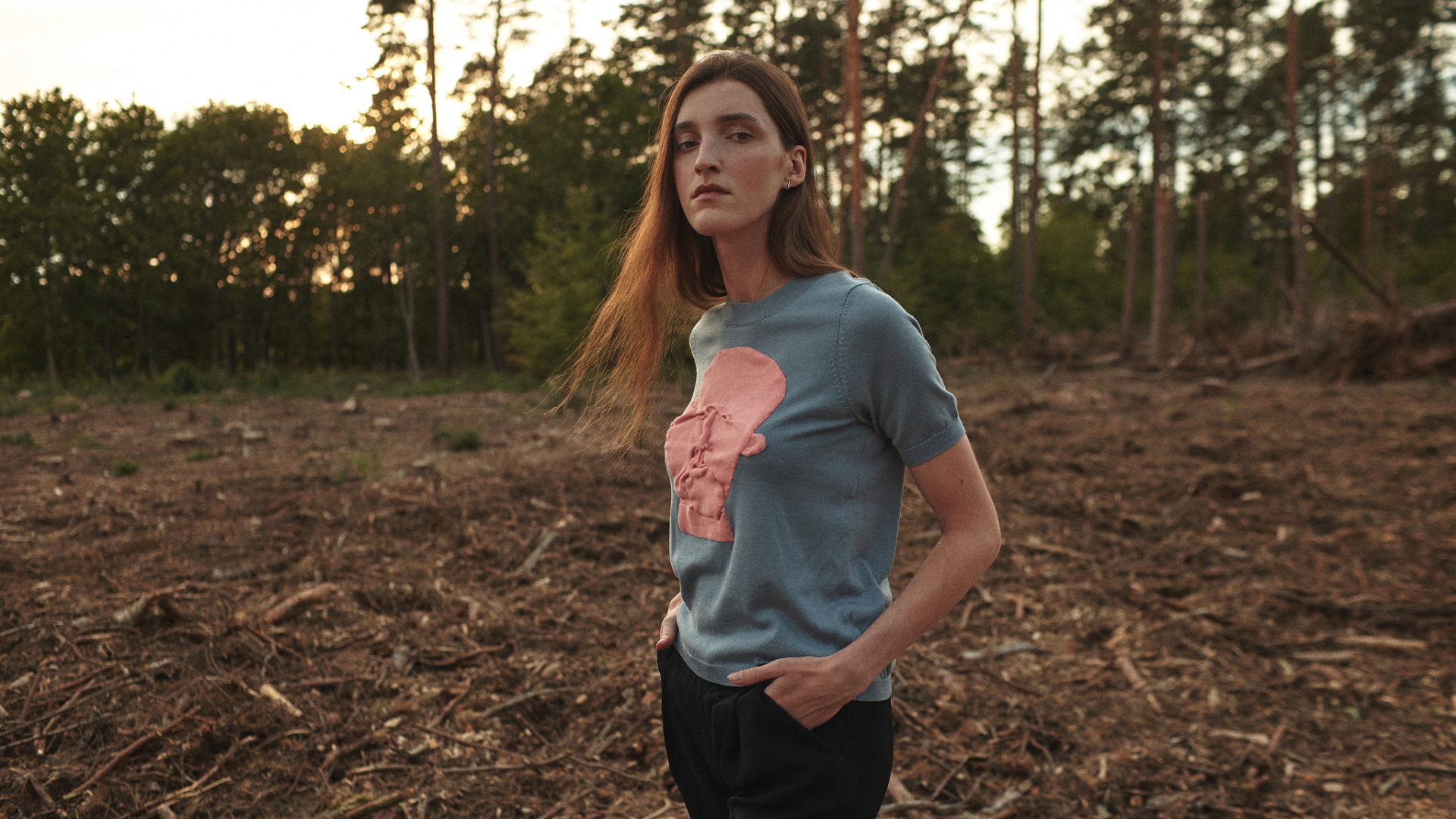
Pierwsze sekundy życia nasiąkają kontaktem z drugim człowiekiem i tkaniną. Głód i krzyk będą nam towarzyszyć już zawsze, zmieniając jedynie formy i postulaty. Opowiadając o modzie i tożsamości ciężko nie popaść w banał i narastający liszaj truizmów. W dynamicznym świecie są one ze sobą powiązane, opierając się na identycznym mechanizmie; dają poczucie przynależności do wspólnoty, a jednocześnie podkreślają wyjątkowość, odmienność, pozwalają wyłonić się “ja” spośród tłumu. Jak tworzyć siebie nie niosąc ze sobą katastrofy?
Wnętrze szafy z żebrami wieszaków działa jak rentgen. Warto odwrócić pytanie: co mówią o nas tkaniny i ubrania? Czy zdradzą nasze grzechy główne i zaniechania; co opowiedzą o pragnieniach? Torebka prababci, sukienka po babci, stara kapa, ubranie z promocji (jeszcze z metką), ulubiony t-shirt (podziurawiony przez czas). Godziny przeglądania na telefonie zbędnych artefaktów. Więcej grzechów nie pamiętam, czy te wystarczą do stworzenia obrazu?
Emocje są integralną częścią rzeczy, tkanin i ubrań. W styczniowym numerze “Ty i ja” z 1966 r. można przeczytać co osoby zaproszone do rozmowy uważały za swoje największe “dokonanie” zakupowe minionego roku. Wśród wymienionych trofeów znalazły się: pościel dla córki (wyprawka ślubna), płaszcz za 2000 zł, śliczna biała wełna, firanki z USA, inwestycja w dom (która pomogła zapomnieć o brakach w garderobie), biała bluzeczka, sweter z żabotem, abażur do lampy. Jedna z rozmówczyń upiła się z okazji kupna nowej wersalki. Czasy się zmieniły jednak emocje pozostały, bez zastanowienia mogę opowiedzieć, który zakup, zdobycz, prezent wywołały we mnie euforię. Elementy zdobiące codzienność, nie można ich zmierzyć jedynie wartością kruszcu. Ta waluta jest nieprzekładalna.
Ubrania pozwalają “wracać do siebie”. Jak do miejsca, w którym możemy się rozgościć. Poczuć komfort i przytulność. Pewność siebie i zadziorność. Z uwikłań wyłuskać swój komunikat i wysłać go w świat. Wszystko się zgadza w słowniku mody - każda rzecz ma znaczenie. Nie ma jednej odpowiedzi. Koraliki rozsypane po posadzce. Z łoskotem, podążają we własną stronę, nieokiełznane; wtaczają się pod szafy, stoły, wciskają w kąty i zakamarki, świecą triumfalnie na środku pokoju. Rozbiegane nasze pragnienia i możliwości. Zależne od miejsca, w którym wzrastamy, do którego trafimy lub historii, która nas uwikła. Czy uda się wyjść na powierzchnię? A może walczyć będziemy o ciepło i przetrwanie? Na pewno nie będzie dane “po równo”. Suche, czyste, ciepłe, ładne, pasujące do mnie, upragnione - tego życzę nam głośno.
Wracając do siebie - nie ma jednoznacznego elementarza. Emocje mogą być zupełnie odmienne nawet jeśli dotyczą wspólnej aktywności. Szare Wrony - duet artystyczny (Anna Witkowska i Alicja Karska), który powstał z różnych doświadczeń w tworzeniu relacji z rzeczami. Po jednej stronie zniechęcenie i zmęczenie ich ilością (wynikające m.in. z nadmiaru i kolekcjonowania staroci w domu rodzinnym), awersja do sklepów z używaną odzieżą; z drugiej umiejętność wyszukiwania perełek z dobrych materiałów i ich czułego przerabiania. Czułość wielopoziomowa - zbudowana na biegłości robienia na drutach - przekazanej przez babcię (która traktowała tę czynność jak pracę i nie rozumiała płynącej z niej przyjemności dla wnuczki; podsumowywująca tę aktywność stwierdzeniem “przecież możesz iść to kupić”) oraz symbolicznej ilości posiadanych rzeczy; przesyconej pamięcią zmysłową faktur i materialności. Zakupy u Szarych Wron to wchodzenie w relacje, wymagające czasu. Nie mają sklepu internetowego, pełnej rozmiarówki, rzeczy są unikatowe. Artystki pamiętają każde ubranie, które stworzyły. Elementarz utkany z nieoczywistości, wykorzystujący magiczną funkcję tkanin i przedmiotów.
Postawy głoszące idee odpowiedzialnej mody, konieczność zmian pojawiały się na długo przed “współczesnym” kryzysem ekologicznym. Grupa Mah-Jong założona w roku 1966 r. przez trzy młode szwedzkie projektantki: Kristinę Torsson, Helenę Henschen i Veronicę Nygren, poprzez swoją twórczość wprowadzała w życie manifest paralelny z postulatami współczesnych ruchów “slow fashion” (poruszał m.in. takie aspekty jak: problematyka produkcji i nadprodukcji, sprzeciw wobec trendów i sezonowości mody). Mah-Jong uważały, że piękne wzory i kolory powinny być dostępne dla każdego, a linia ubrań odpowiednia dla wszystkich grup wiekowych i bez względu na rozmiar. Angażowały się w debaty polityczne i wspierały ruchy feministyczne. Manifest - to jedna z najdoskonalszych funkcji mody; obcięte włosy, opadające w ciszy, znaczące więcej niż najnowszy trend z milionem hasztagów.
Nieskończone możliwości, zachłanność to podstawy niewyczerpalnej płodności branży odzieżowej. Nieustanna fluktuacja wzorów, kolorów, obietnic do spełnienia. Drżenie na myśl o soczystej nowości. “Głód i krzyk” leżą w naszej naturze. Pragnienie, pożądanie, potrzeba luksusu. Czy posiadanie kolejnych i kolejnych i kolejnych rzeczy jest niezbędne by móc wyrazić siebie? Umiar - słowo klucz. Poruszając się w oceanie współczesności, zachłystując się mnogością możliwości, nie uduśmy siebie i świata własną zachłannością. Wyrażając “ja” powinniśmy pamiętać o konsekwencjach naszych działań i powtarzać słowo: współodpowiedzialność.
Anna Sienkiewicz-Rogaś
ENG
The first seconds of life are soaked in contact with another person and fabric, the sensual experience of material and physical closeness. Hunger and cry are our forever companions, they only change their forms and postulates. What is essential to be able to use clothing and (consume) fashion? In Cracks in Existence, Jolanta Brach-Czajna refers to the basic prerequisite for experience: having a body, a body that is also necessary in the fashion spectacle. What is a modern person without a sense of individualism and distinctiveness? Developing and emphasizing self-identity is one of key everyday life rituals intertwined with fashion. It is hard to discuss fashion and identity without falling into banality and avoiding the “lichen” of truisms. In a dynamic world, they are interconnected and caused by the same mechanism - they give a sense of community belonging, and at the same time, emphasize uniqueness, otherness. They allow the "I" to emerge.
The inside of a wardrobe with its ribs of hangers resembles an X-ray - what do fabrics and clothes say about us? Do they betray our sins and omissions? What do they tell about our desires? They tend to appear in excess, constantly waiting for rearrangement, sometimes overused, usually watched silently like comments. Hours of browsing through unnecessary artifacts on your phone. I do not remember any more sins, are these enough to get a picture? We have become accustomed to the ease of buying and consuming, and we eagerly collect the arrears and make up for the shortcomings of previous generations. Everything can be purchased instantly, now. We easily fill the void, for a moment we cover the crater from which the abyss gazes into us. Weekend shopping has become a hobby and a way to chill out, the cost of a sweater is the cost of a dinner or a cup of coffee downtown. It might prove handy. I deserve it. I need new flip-flops for my vacation and a shirt for the upcoming holidays. Children grow out of their clothes so quickly. We are slowly creating a beautiful (but polyester-filled) disaster.
Jolanata Brach-Czajna describes existential objects as things that come, provoke and wait to come to life as they get our attention; they offer themselves selflessly. Existential meaning - dumplings confronted with hunger, are clothes not similar? When we juxtapose the coat with the cold? The injured, bare feet of a refugee with comfortable shoes?... Emotions are an integral part of things, fabrics and clothes, transforming them into existential objects which absorb our attention and which we can listen to. The January 1966 issue of "Ty i ja" (“You and Me”) published opinions of different people asked what they considered their greatest shopping "accomplishment" of the previous year. The trophies included: bedding for my daughter (wedding gift), a coat for PLN 2,000, beautiful white wool, curtains from the USA, an investment in a house (which helped me forget about the shortcomings in my wardrobe), a white blouse, a sweater with a ruffle, a lamp shade. Someone got drunk on the occasion of buying a new sofa bed. Times have changed, but emotions remain, we can say without hesitation which purchase, achievement or gift made us euphoric. Everyday life ornaments cannot be measured only by the value of the metal. The currency is non-convertible.
Clothes allow you to "return to yourself" like to a place where you can make yourself comfortable. Extract your message from the entanglements and send it out into the world. Everything is correct in the fashion dictionary - every object with a power to influence and attract attention is important. The same <something> may become an object for one person and not for another... There is no single answer - to hear it you might need to keep silent and just listen. The beads scattered on the floor with a clatter go in their own direction, untamed; they roll under wardrobes and tables, squeeze into every nook and corner, and shine triumphantly in the middle of the floor. They reflect our divergent desires and possibilities, depending where we grow up, where we end up or what history we are entangled in. Will we be able to get to the surface? Perhaps we will fight for warmth and survival? It will definitely not be given "equally". Dry, clean, warm, pretty, flattering, desired – I wish us all out loud.
Coming back to yourself - there is no primer book. Emotions can be completely different even if they concern the same activity. The artistic duo Szare Wrony (Grey Crows) – Anna Witkowska and Alicja Karska emerged from various experiences in creating relationships with things. On the one hand, discouragement and fatigue with their abundance (resulting partly from the excess and collecting of antiques in the family home), aversion to second-hand clothing stores. On the other one, the ability to find gems made of good materials and sensitively alter them. Multi-level sensitivity - built through knitting skills passed on by the grandmother (to her it was work, she did not understand the pleasure it brought to her granddaughter; she summed up this activity with the statement "but you can buy it") and inspired by the symbolic amount of things she owned; saturated with sensory memory of textures and materiality. Shopping from Szare Wrony means entering into a relationship that requires time. They do not run an online store or offer all sizes, each item is unique. The artists remember every piece of clothing they have created. The primer is woven from non-obviousness, using the magical function of fabrics and objects. Changing the shopping ritual - silencing the noise of human thoughts and greed can awaken hope, awareness and tenderness. The cry of Grey Crows is worth hearing and listening to.
Attitudes towards responsible fashion and the need for change emerged long before the "modern" ecological crisis. In 1966, three young Swedish designers: Kristina Torsson, Helena Henschen and Veronica Nygren founded Mah-Jong group. In their practice, they implemented a manifesto parallel to the demands of contemporary "slow fashion" movements (they mentioned, among others, issues of production and overproduction, they did not support seasonal fashion trends). Mah-Jong believed beautiful patterns and colours should be available to everyone, they postulated for clothing lines that would suit all ages and sizes. The designers engaged in political debates and supported feminist movements. Manifest - one of the prime functions of fashion.
Infinite possibilities and greed are the reasons for the inexhaustible fertility of the clothing industry. Constant fluctuation of patterns, colours, promises to be fulfilled. Trembling at the thought of juicy newness. “Hunger and cry” are in our nature. Desire, want, need for luxury. Is having more and more and more things necessary to express yourself? Moderation is the key word. Moving in the ocean of modernity, enjoying the multitude of possibilities, let us not suffocate ourselves and the world with our own greed. While expressing our "I", we should bear in mind the consequences of our actions and repeat the word: co-responsibility.
Anna Sienkiewicz-Rogaś